
Medication Assisted Treatment (MAT)
The disease of addiction does not discriminate,
it can happen to anyone.

“You have to love yourself enough, to know you’re worth it.”
~Bree Carr~
Medication Assisted Treatment
We understand that many individuals suffer from opioid addictions. We are here to help you treat your addiction to alcohol, heroin, and other opiates through medication assisted treatment. Medication assisted treatment is initiated and/or continued by our Nurse Practitioner in private individual sessions. You are treated with the dignity, and respect you deserve in the comforts of a private practice. We will assess you psychologically and physically together we will decide the best treatment option for you.
We will do our part, you will have to do yours.
What is Naltrexone?
Naltrexone can be prescribed and administered by any practitioner licensed to prescribe medications and is available in a pill form for AUD or as an extended-release intramuscular injectable. The pill form is taken daily and the extended-release injectable is administered every four weeks, or once a month.
Naltrexone for Alcohol Use Disorder
When starting naltrexone for alcohol use disorder, patients must not be physically dependent on alcohol or other substances. To avoid strong side effects such as nausea and vomiting, practitioners typically wait until after the alcohol detox process before administering naltrexone.
Naltrexone binds to the endorphin receptors in the body, and blocks the effects and feelings of alcohol. Naltrexone reduces alcohol cravings and the amount of alcohol consumed. Once a patient stops drinking, taking naltrexone helps patients maintain their sobriety.
What is Suboxone?
Suboxone is the first oral medication that has been approved in the U.S. that healthcare providers can prescribe in an office-based setting to people who are dependent or addicted to opioids such as pain medication, heroin, or methadone. Suboxone is an effective medication for opioid addiction that does not require daily or weekly visits to a clinic. Suboxone blocks the effects of other opioids. This eliminates cravings and prevents withdrawal symptoms such as pain and nausea. Patients can be maintained on Suboxone or go through a medically assisted detoxification program.
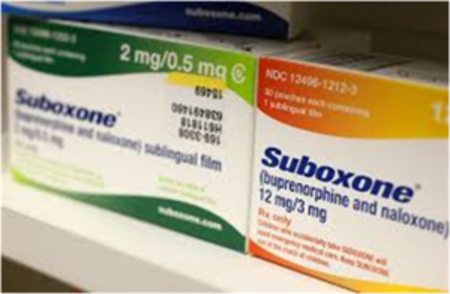
Suboxone is a different type of opioid than pain pills, heroin or methadone. This medication leaves the brain cells more slowly than typical opioids, the withdrawal process is milder and detoxification is generally easier to accomplish. Clients work with a Suboxone provider to reach this goal.
Suboxone is composed of two separate medications: buprenorphine and naloxone. Buprenorphine, which is a partial opioid, has opiate affects that are significantly reduced compared to that of full opioid agonists, such as Vicodin, or heroin. Naloxone, which is not absorbed by the digestive track when Suboxone is taken orally, is added to Suboxone in order to prevent the misuse of the medication by injection drug users and those who are looking to replace their illegal addiction with a legal one.
What are the components of Suboxone Treatment?
1. Individualized treatment plans.
2. Increased chances of sustaining abstinence.
3. Can be used on a maintenance, while the patient stabilizes their emotional, physical and mental well-being.
What Is Acamprosate?
Acamprosate is a medication approved by the Food and Drug Administration (FDA) for the treatment of alcohol use disorder (AUD).
How Does Acamprosate Work?
Acamprosate is thought to work by restoring the natural balance of neurotransmitters in the brain that is disrupted by chronic alcohol use.
Acamprosate decreases cravings for alcohol. It helps people avoid drinking entirely (abstinence) or decrease heavy drinking.
Acamprosate for AUD
Acamprosate is one component of a comprehensive treatment plan for AUD that includes counseling and other behavioral health therapies. The use of acamprosate for AUD may be most effective for:
- Patients who cannot take other medications for AUD because of hepatic disease or being treated with opioids.
- Patients coping with multiple medical issues who are currently taking many other medications.
The medicine is usually started a few days after stopping alcohol use so that most withdrawal symptoms have gone away. Acamprosate helps prevent cravings for alcohol. Treatment typically lasts for several months, and patients should continue to receive supportive counseling and monitoring by their practitioner throughout this period.
Acamprosate is a safe, effective, and well-tolerated medication for treating AUD with no potential for misuse and has been found to have no clinically significant drug interactions. Acamprosate is also safe to use in combination with psychiatric medications as well. Acamprosate can be continued if the patient returns to alcohol use. Acamprosate is not addictive and does not cause withdrawal symptoms if stopped abruptly.
**All medication assisted treatment is best when used in conjunction with counseling, behavioral therapy, support groups, and/or psychosocial support.**
What Is Disulfiram?
Disulfiram is a medication approved by the Food and Drug Administration (FDA) to treat alcohol use disorder (AUD). This medication can help improve AUD; it is not a cure.
How Does Disulfiram Work?
When taking disulfiram, if the patient uses alcohol, they will feel sick. Disulfiram works by causing a very unpleasant reaction when a patient drinks alcohol. It interferes with the way the body breaks down alcohol, leading to symptoms like flushing, sweating, headache, nausea, vomiting, palpitations, and confusion.
This reaction begins about 10 minutes after alcohol enters the body and can last for a few hours. The patient should not take disulfiram for 12-48 hours after drinking. A reaction to alcohol may occur for up to 2 weeks after disulfiram has been stopped. It is important to know that alcohol contained in other products like medicines, mouthwash, sauces, dressings or baked goods can also cause this reaction.
Disulfiram can help individuals to choose not to drink, therefore is useful if a person has the goal of not drinking at all. Disulfiram may work better if a family member, friend or provider observes the patient take the medicine each day.
Disulfiram can be stopped abruptly and does not need a taper.
Informational Video
https://vimeopro.com/user88912334/pcss-maud-mini-videos/video/948352187